Third-party logistics provider FM Logistic recently announced a partnership with gro24/7, one of the largest B2B e-commerce platforms in Việt Nam, to provide warehousing and urban logistics services.

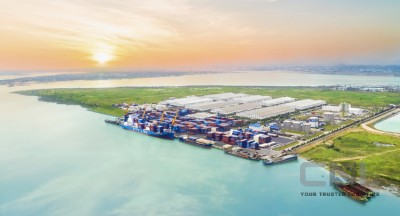
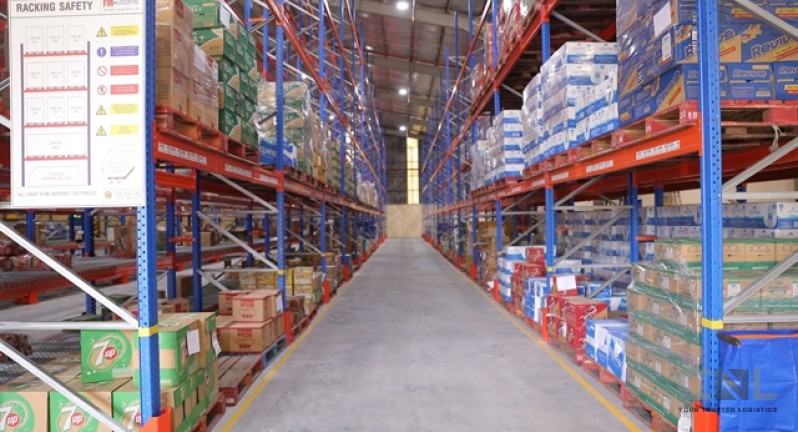
A distribution centre of FM Logistic in Bình Dương. The company signed an agreement with gro24/7 to provide warehousing and urban logistics services. – Photo courtesy of FM Logistic
HCM CITY – Third-party logistics provider FM Logistic recently announced a partnership with gro24/7, one of the largest B2B e-commerce platforms in Việt Nam, to provide warehousing and urban logistics services.FM Logistic will handle warehousing operations for gro24/7 from its multi-client urban distribution centre in the city of Dĩ An of the southern province of Bình Dương. The company will help gro24/7 fulfill and deliver orders by SME retailers.
From Dĩ An, the products will be delivered to 60 per cent of HCM City’s districts as well as to the entire southeast region.
“gro24/7 is one of the most utilised B2B e-commerce platforms by grocery store owners in the country. After a relatively short time in operation, we reached the milestone of serving 20,000 retailers in HCM City. We are trusted by more than 23 major FMCG manufacturers and distributors, representing 70 famous brands with hundreds of products," company CEO Sơn Phạm said.
"To support operations on this scale, we needed a strong logistics partnership like FM Logistic Vietnam who will help make our supply chain faster and more cost-effective. We are thrilled by their value-added services and have chosen them as a strategic partner after one month of operation for their contribution to the development of gro24/7,” he added.
With clear trends of accelerating urbanisation and the rise of e-commerce, Asian cities including HCM City are increasingly experiencing issues related to the delivery of goods in urban areas.
The rising number of urban vehicles is leading to increased congestion, air pollution and noise, which negatively impact traffic safety, quality of life and urban economic competitiveness.
These consequences put pressure on brands, manufacturers and distributors to find innovative ways to get their products delivered to consumers with minimal footprint and environmental impact. Logistics providers have therefore a major part to play in building and optimising long-term and sustainable urban logistics models for clients.
According to the latest published whitepaper from FM Logistic “Urban logistics challenges: HCM City”, Việt Nam's retail landscape is 88 per cent unorganised, with small independent mom and pop stores making up about 40 per cent of the market, presenting a massive opportunity to digitise and drive efficiencies in the value chain.
“By combining infrastructure, technology and collaborations, value creation within urban logistics can be augmented, specifically in the hopes of defining sustainable economic models. Outsourcing supply chains to a specialist such as FM Logistic can help consumer goods companies respond quicker to these urban logistics challenges and increase operational efficiency,” said FM Logistic Asia managing director Stephane Descarpentries. – VNS
vietnamnews.vn